Ensure compliance and market access with certification from RIVER PORT SOLUTIONS SRL

Regulatory requirements

Directive 2013/53/EU on recreational craft and personal watercraft establishes a regulatory framework to ensure that craft, personal watercraft and their components comply with essential safety, environmental and performance requirements before being placed on the EU market.

Regulatory requirements

Directive 2013/53/EU on recreational craft and personal watercraft establishes a regulatory framework to ensure that craft, personal watercraft and their components comply with essential safety, environmental and performance requirements before being placed on the EU market.

About the company

RIVER PORT SOLUTIONS SRL provides comprehensive post-certification services that help manufacturers, importers, and distributors comply with EU and Republic of Moldova requirements, ensuring unhindered market access and consumer confidence.

About the company

RIVER PORT SOLUTIONS SRL provides comprehensive certification services that help manufacturers, importers, and distributors comply with EU and Republic of Moldova requirements, ensuring unhindered market access and consumer confidence.

SM/CE conformity marking

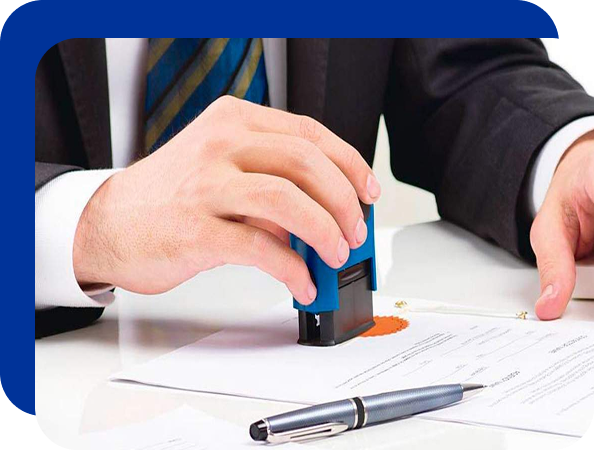
The SM/CE marking confirms that the product complies with the requirements and ensures its free circulation in the markets of the European Economic Area and the Republic of Moldova. Notified bodies carry out checks (certification), inspections and tests, on the basis of which the manufacturer can affix the SM/CE marking to its products.

SM/CE conformity marking

The SM/CE marking confirms that the product complies with the requirements and ensures its free circulation in the markets of the European Economic Area and the Republic of Moldova. Notified bodies carry out checks (certification), inspections and tests, on the basis of which the manufacturer can affix the SM/CE marking to its products.

Which vessels are covered by the directive?

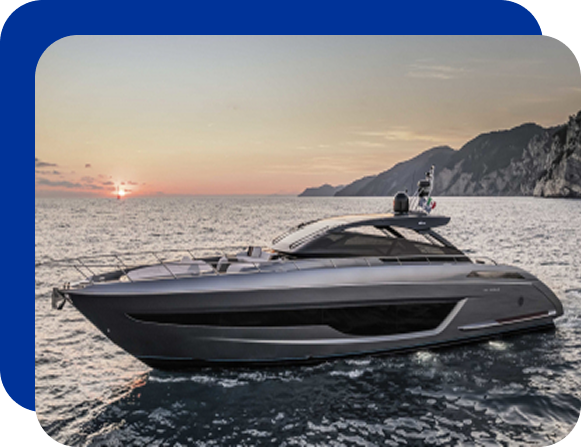
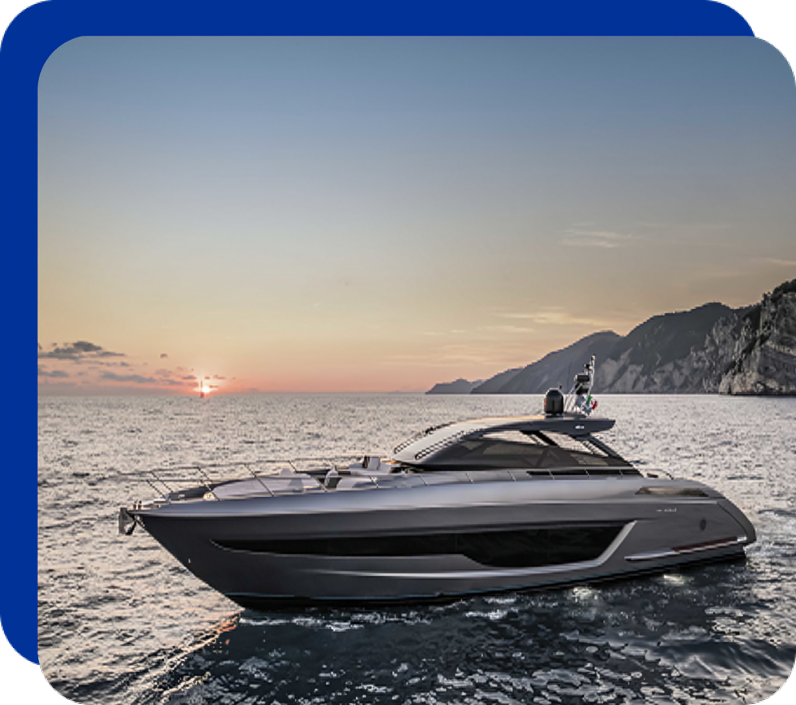
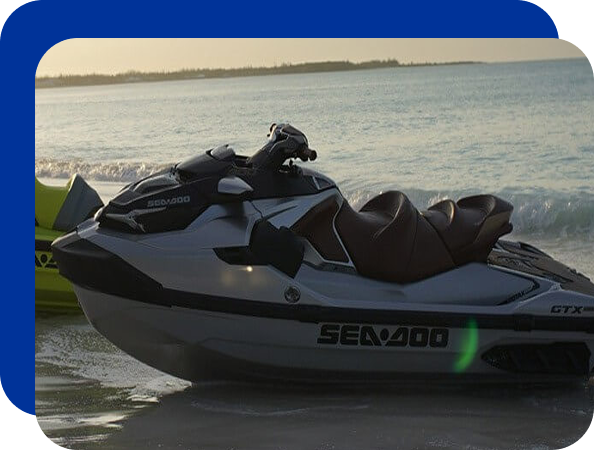
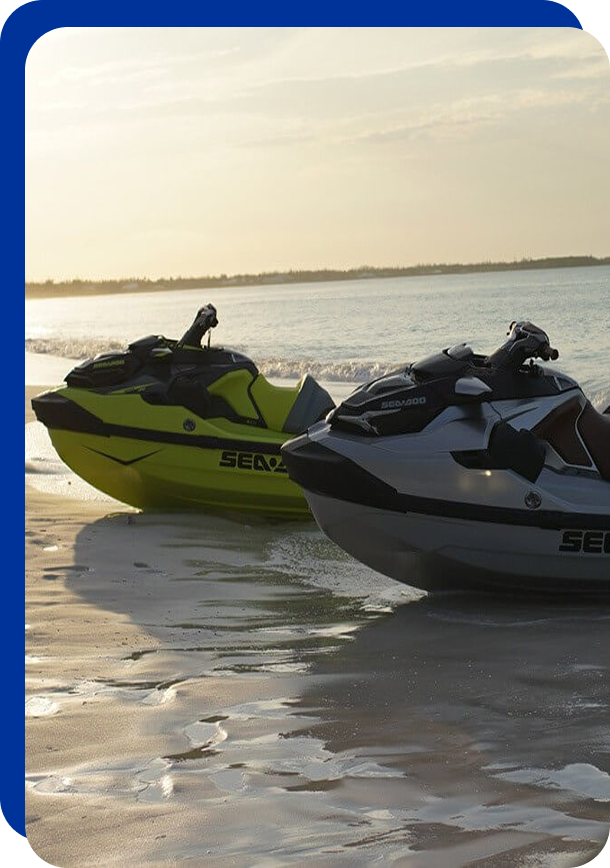
According to DECREE No. 723 of the Government of the Republic of Moldova dated 30 October 2024 on the approval of Technical Regulations for pleasure craft and motorised watercraft All pleasure craft (between 2.5 and 24 metres in length) and personal watercraft (less than 4 m in length) intended for recreation and sports must comply with the requirements of these technical regulations and Directive 2013/53/EU before they can be legally registered and sold in the Republic of Moldova.

Which vessels are covered by the directive?

According to DECREE No. 723 of the Government of the Republic of Moldova dated 30 October 2024 on the approval of Technical Regulations for pleasure craft and motorised watercraft All pleasure craft (between 2.5 and 24 metres in length) and personal watercraft (less than 4 m in length) intended for recreation and sports must comply with the requirements of these technical regulations and Directive 2013/53/EU before they can be legally registered and sold in the Republic of Moldova.

Certification

Certification ensures that your vessels meet the highest standards of safety, environmental protection and design, reducing risks and ensuring regulatory compliance.

Certification

Certification ensures that your vessels meet the highest standards of safety, environmental protection and design, reducing risks and ensuring regulatory compliance.

Which vessels are covered by the directive?

The Directive applies to all vessels intended for use in

sports and recreation, with a hull length of between 2.5 and 24 metres. There are a number of exceptions:

• vessels intended exclusively for racing

• canoes, kayaks, gondolas and pedal boats

• surfboards and sailboards

• historical replicas

• submarines

• hovercraft and hydrofoils

• vessels intended for crew and passenger transport for commercial purposes (these are covered by another directive)

• vessels built for private use, provided that they are not subsequently placed on the market for at least five years.

Which vessels are covered by the directive?

The Directive applies to all vessels intended for use in sports and recreation, with a hull length of between 2.5 and 24 metres. There are a number of exceptions:

• vessels intended exclusively for racing

• canoes, kayaks, gondolas and pedal boats

• surfboards and sailboards

• historical replicas

• submarines

• hovercraft and hydrofoils

• vessels intended for crew and passenger transport for commercial purposes (these are covered by another directive)

• vessels built for private use, provided that they are not subsequently placed on the market for at least five years.

Who needs certification?

Certification is required for:

• Manufacturers of new boats, vessels or components.

• Importers and distributors of products manufactured outside the EU.

• Shipbuilders and designers.

• Manufacturers of engines to comply with emission and noise standards.

Who needs certification?

Certification is required for:

• Manufacturers of new boats, vessels or components.

• Importers and distributors of products manufactured outside the EU.

• Shipbuilders and designers.

• Engine manufacturers to comply with emission and noise standards.

How certification works

The certification process includes:

1. Application and documentation review: Evaluation of technical documentation, drawings, materials, and compliance reports.

2. Inspections and testing: On-site assessment of structural integrity, safety measures, emissions, as well as testing of engines, electrical systems and hull construction. Confirmation of compliance with SM/CE marking requirements.

3. Certification and conformity marking: Issuance of SM/CE certificate of conformity, guidance on marking procedures and assistance with market surveillance.

Certification begins with the submission of an official request by the importer or individual owner.

The vessel or its component must be certified by an authorised inspector.

For vessels, shore-based inspections (to assess the vessel’s design and operation) and sea trials (basic tests for stability, manoeuvrability and noise levels) must be carried out.

The applicant is responsible for access to facilities, beaching and launching,

commissioning of equipment and preparation of materials for testing or trials, as well as for making any changes or corrections necessary to obtain certification.

The applicant or their authorised representative must provide a minimum set of supporting documentation specified by the inspector and/or technical manual for the assessment.

This documentation may be submitted before or after testing and, as a rule, requires collegial registration, approval or civil liability insurance of the competent technical specialist or technical department that prepared it.

After measurements and tests, in most cases it is necessary to complete the assessment with calculations at the central office.


How certification works

The certification process includes:

1. Application and documentation review: Evaluation of technical documentation, drawings,materials, and compliance reports.

2. Inspections and testing: On-site assessment of structural integrity, safety measures, emissions, as well as testing of engines, electrical systems and hull construction. Confirmation of compliance with SM/CE marking requirements.

3. Certification and conformity marking: Issuance of SM/CE certificate of conformity, guidance on marking procedures and assistance with market surveillance.

Certification begins with the submission of an official request by the importer or individual owner.

The vessel or its component must be certified by an authorised inspector.

For vessels, land-based inspections (to assess the vessel’s design and operation) and sea trials (basic tests for stability, manoeuvrability and noise levels) must be carried out.

The applicant is responsible for access to facilities, beaching and launching, commissioning of equipment and preparation of materials for testing or trials, as well as for making any changes or corrections necessary to obtain certification.

The applicant or their authorised representative must provide a minimum set of supporting documentation specified by the inspector and/or technical manual for the assessment.

This documentation may be submitted before or after testing and, as a rule, requires collegial registration, approval or civil liability insurance of the competent technical specialist or technical department that prepared it.

After measurements and tests, in most cases it is necessary to complete the assessment with calculations at the central office.

Why choose us

RIVER PORT SOLUTIONS SRL guarantees qualified expertise, knowledge of regulatory requirements, comprehensive support at all stages and market recognition, which contributes to customer confidence and smooth sales.

To verify certificates, please contact us 24/7.

Our contacts:

Mail: riverportmd@gmail.com
Tel 1: +37379427320
Tel 2: +37378923842

Why choose us

RIVER PORT SOLUTIONS SRL guarantees qualified expertise, knowledge of regulatory requirements, comprehensive support at all stages and market recognition, which contributes to customer confidence and smooth sales.

To verify certificates, please contact us 24/7.

Our contacts:

Mail: riverportmd@gmail.com
Tel 1: +37379427320
Tel 2: +37378923842